Repair cavities before they grow
Tooth decay often leads to cavities, and a tooth with a cavity tends to keep decaying. If it is not treated soon, you could lose the tooth. Our dentists fill these holes with the type of filling that suits your tooth and your preferences.
Preparing the tooth
Before filling a tooth, we examine it visually and with special instruments, and take X-rays if we need to see the whole structure. We then remove the decayed part of the tooth. For fillings made in a lab, we take an impression for a custom fit.
Composite (tooth-coloured) fillings
Composite fillings are made from a mixture of glass and plastic and can be matched to the colour of your teeth. Your dentist places the material in layers and hardens each one with a special light, creating a smooth, natural-looking repair. They are the most popular choice for visible teeth.
Amalgam fillings
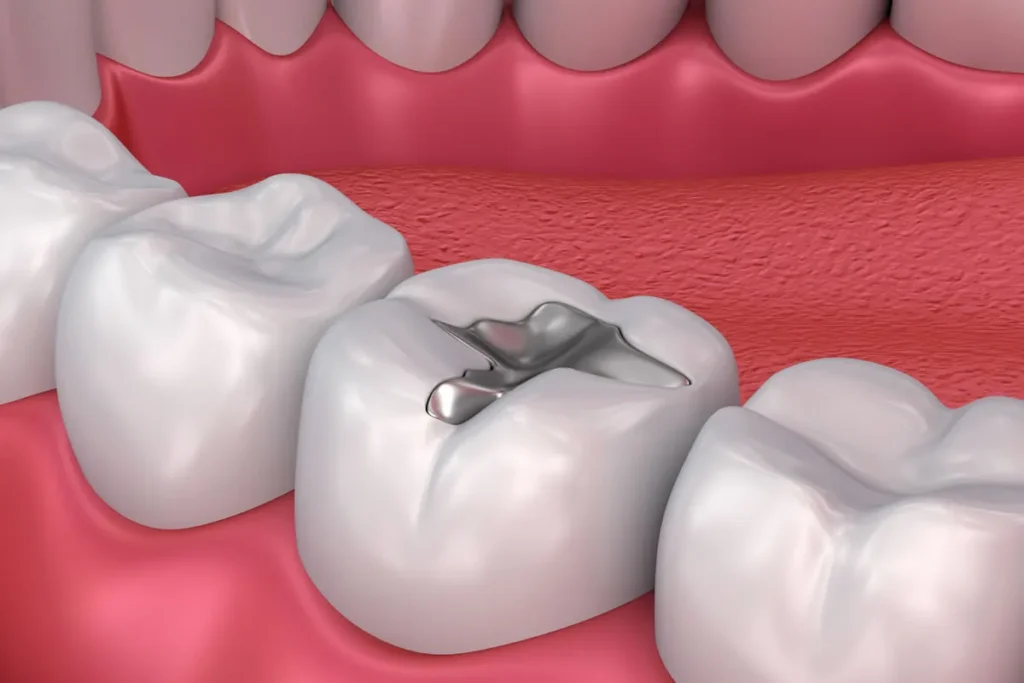
Amalgam is a durable metal alloy of silver, mercury, copper and tin. It is affordable and withstands heavy chewing, so some people choose it for back teeth that do not show when they smile. Teeth may be sensitive to hot and cold for a short time afterwards.
Gold fillings
Gold inlays are very durable, often lasting 20 years or more, and are gentle on the gums. They are usually the most expensive option. Your dentist takes an impression, a lab makes the gold filling, and it is then cemented into place.
Porcelain fillings
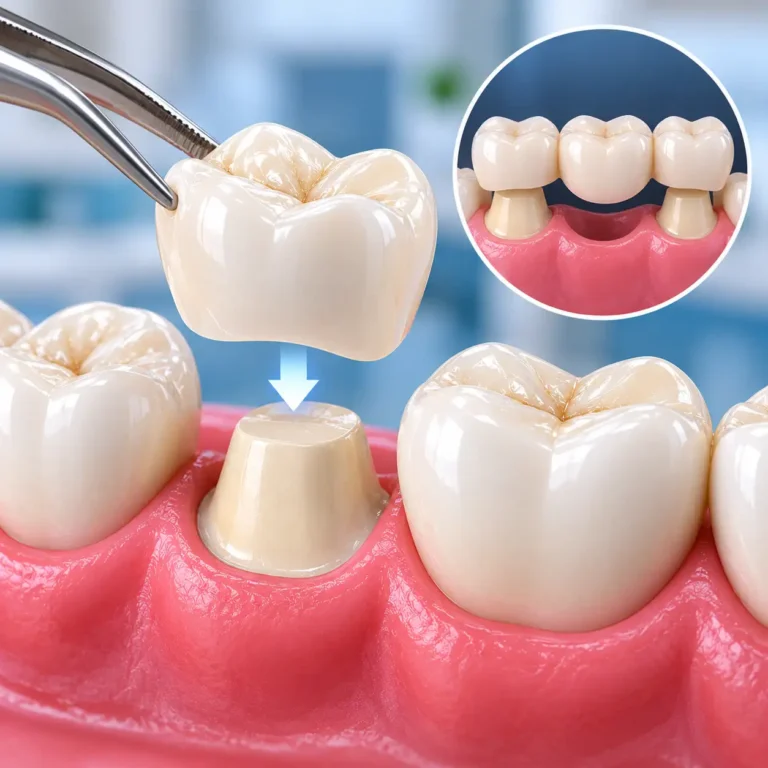
Porcelain fillings, also called inlays or onlays, are made in a lab and bonded to your tooth. They cost about the same as gold but match the colour of your natural teeth. Learn more about inlays and onlays.
Choosing the right filling
Your dentist will explain the pros and cons of each material for your tooth and help you make an informed choice.